
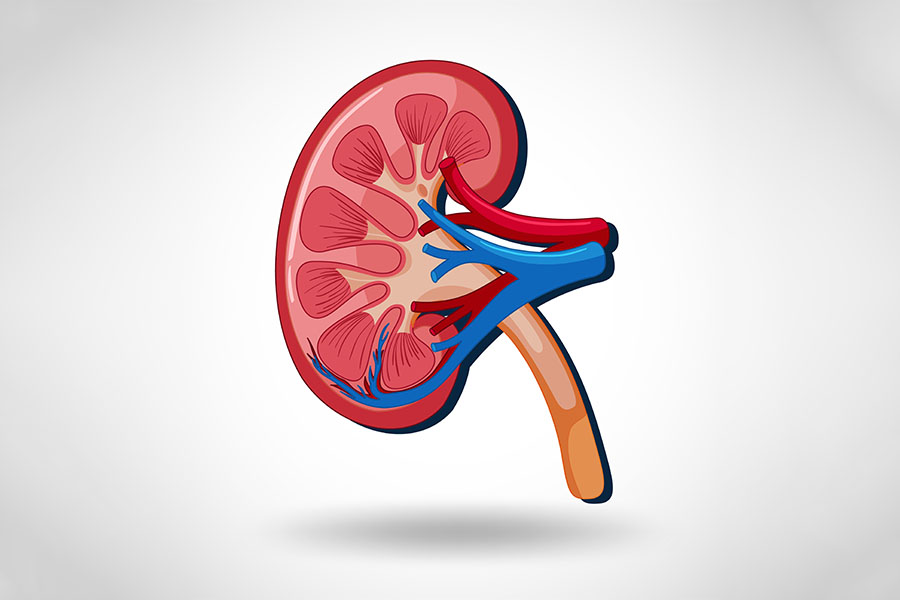
Understanding Kidney Function Tests

At Scanlab Center — Quality Health Is Our Wealth

James walked into our laboratory, saying he was “just tired.”
He thought it was stress. Long workdays. Maybe not enough water.

But after a simple Kidney Function Test at Scanlab Center, he discovered his kidneys were under strain. The good news? It was detected early, and early detection makes all the difference.

Stories like this are why kidney testing matters.

Why Your Kidneys Deserve Attention

Your kidneys work quietly in the background every day. They filter waste from your blood, balance fluids, and keep important minerals in check.

Most of the time, you don’t feel them working.
And when they begin to struggle, the signs can be subtle — fatigue, mild swelling, headaches, or changes in urination.

That’s where a Kidney Function Test becomes important.

What Does a Kidney Function Test Actually Show?

At Scanlab Center, this simple blood test helps us assess how well your kidneys are doing their job.

It checks:

  • Creatinine – A waste product that should be cleared from your body. High levels may signal reduced kidney performance.
  • Urea – Another waste substance that builds up when filtering slows down.
  • eGFR – A measure of how efficiently your kidneys are cleaning your blood.
  • Electrolytes – Important minerals like sodium and potassium that must stay balanced for your heart and muscles to function properly.

These numbers may look small on paper, but they tell an important story about your health.

Who Should Consider Testing?

You don’t have to feel seriously ill to test your kidney function.

You may benefit from a check if you:

  • Have high blood pressure
  • Live with diabetes
  • Take long-term medication
  • Feel constantly fatigued
  • Notice swelling in your feet or face
  • Simply want a routine wellness check

Sometimes, peace of mind is just as important as treatment.

Early Testing Brings Confidence

Kidney conditions often develop quietly. By the time symptoms become obvious, the damage may already be advanced.

A simple test today can prevent complications tomorrow.

At Scanlab Center, we are committed to providing accurate results, professional care, and timely reporting — because Our Health Is Our Wealth.

Take the First Step

If you’ve been feeling “not quite yourself,” or it’s simply time for a routine check-up, consider a Kidney Function Test.

Visit Scanlab Center today.
Protect your kidneys. Protect your future.

Quality Health is your Wealth.

What Your Full Blood Count (FBC) Can Reveal About Your Health

Are you feeling tired, weak, or getting sick more often than usual? A simple Full Blood Count (FBC) test could provide important insights into your health.

At Scanlab center, the Full Blood Count is one of the most requested laboratory tests because it offers a detailed overview of your general health — quickly and affordably.

What Is a Full Blood Count (FBC)?

A Full Blood Count (also known as a complete blood test) is a routine laboratory test that evaluates the various types of cells present in your blood.

It helps doctors detect:

  • Anaemia
  • Infections
  • Inflammation
  • Blood disorders
  • General health imbalances

It is commonly requested during:

  • Routine medical check-ups
  • Pregnancy visits
  • Pre-employment screenings
  • When you feel unwell without a clear cause

What Does an FBC Test Check?

1. Red Blood Cells – Are You Low on Blood?

Red blood cells carry oxygen throughout your body.
If your levels are low, you may experience:

  • Constant fatigue
  • Dizziness
  • Pale skin
  • Shortness of breath

This may indicate anaemia, a common condition that affects many people.

2. White Blood Cells – Is Your Body Fighting Infection?

White blood cells help your body fight infections.

High levels may mean your body is battling:

  • Bacterial infections
  • Viral infections
  • Inflammation

Low levels may suggest a weakened immune system.

3. Platelets – Is Your Blood Clotting Properly?

Platelets help stop bleeding when you get a cut.

If they are too low, you may notice:

  • Easy bruising
  • Frequent nosebleeds
  • Prolonged bleeding

If too high, it may increase clotting risks.

4. Haemoglobin – Why Are You Always Tired?

Haemoglobin carries oxygen in your blood.

Low haemoglobin levels are one of the main reasons for:

  • Persistent tiredness
  • Weakness
  • Poor concentration

Many people assume they are just “overworked,” yet the real cause may be low haemoglobin.

Why Regular FBC Testing Is Important

Conditions such as:

  • Iron deficiency
  • Infections
  • Nutritional deficiencies
  • Chronic illnesses

can affect your blood levels without obvious symptoms.

An FBC test helps detect problems early — before they become serious.

Early detection means:

✔ Faster treatment
✔ Better health outcomes
✔ Peace of mind

Who Should Get a Full Blood Count?

You should consider an FBC test if you:

  • Feel unusually tired
  • Have frequent infections
  • Experience unexplained bruising
  • Are pregnant
  • Are managing a chronic condition
  • Want a routine wellness check

Why Choose Scanlab Centre for Your FBC Test?

We provide:

✔ Accurate and reliable laboratory results
✔ Modern diagnostic equipment
✔ Quick turnaround time
✔ Professional and friendly staff
✔ Affordable pricing

Your health deserves precision and care.

Book Your Full Blood Count (FBC) Test Today

A simple blood test can reveal more than you think.

Visit Scanlab centre today or contact us to book your Full Blood Count (FBC) test.

Take control of your health — Quality Health is your Wealth.
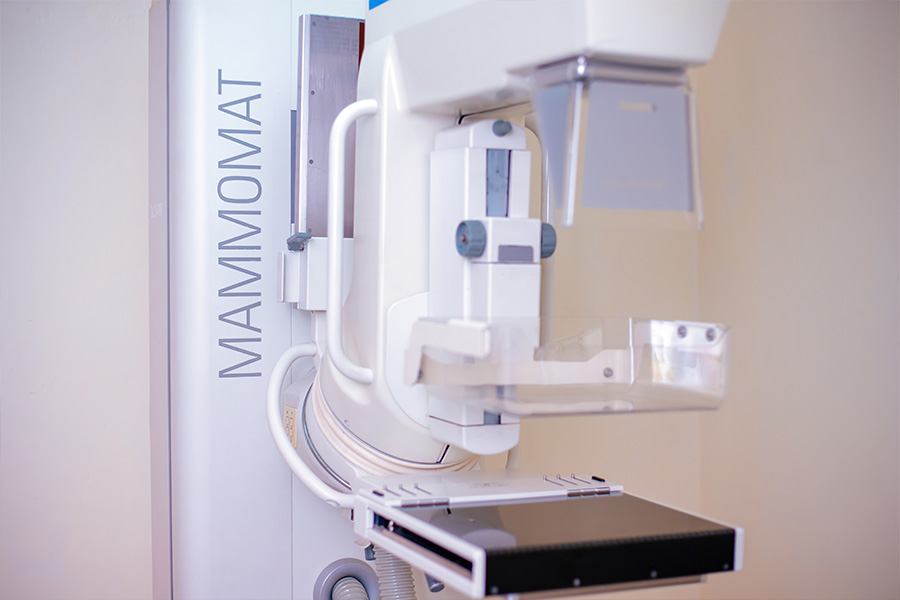
Mammograms

A mammogram is a special type of x-ray that uses low energy x-rays to examine breast tissue for diagnosis and screening purposes.

A mammogram is useful for the early detection of breast cancer. It identifies micro and macro calcifications(lumps) and masses in breast tissue. Women over 40yrs are at a higher risk of developing breast cancer and thus it’s recommended that they get an annual screen. For ladies under 40yrs, a breast ultrasound is ideal.
The test can be performed on both male and female genders.

How it’s done;
1. The procedure is explained for client understanding and to minimize discomfort
2. The client is required to remove aĺl upper garments to fully expose the breasts
3. Stand facing the mammogram machine then place breast (one at a time) between the two plates.
4. The upper plate on the machine is lowered to compress the breast . This helps to flatten the breast tissue and eliminates movement for better image clarity.
5. Images are taken from different angles, at least 4 different views.

The procedure is not painful but the compression may be uncomfortable for small breasted people. The good news is that it takes about 10 minutes to complete.
A radiologist report is usually ready in 10-15 minutes

No booking or special arrangement is required. This test is not covered by NHIF however, some of the other medical covers do. For enquiries, kindly reach us on 0722149505

Hypertension in Pregnancy

Did you know?

Hypertension affects about 10% of all pregnant women and is the commonest condition seen during pregnancy.
– Pre-existing hypertension is hypertension that is identified before the onset of pregnancy or diagnosed before 20 weeks of pregnancy.
– Gestational hypertension is diagnosed for the first time at or after 20 weeks gestation & resolves within 12 weeks post delivery.
– Preeclampsia is diagnosed after 20 weeks and resolves before 12 weeks postpartum.

Common tests requested to aid in management are;

URINALYSIS, CBC, U/E/C, LFTs and or imaging.

Known risk factors include:

1. Race (blacks most affected)
2. History of preeclampsia
3. Diabetes mellitus
4. Maternal age <18 or >35
5. Obesity
6. Pregnancy interval <2 or >10yrs

Symptoms may include;

– swelling especially of hand and face
– Elevated BP >140/90
– Headache
– Blurry vision
-Epigastric pain
– Abnormal bleeding especially abruptio placenta.
– Shortness of breath
– Poor urine output
– Blindness
-CONFIRMED ONLY BY REGRESSION OF SYMPTOMS AFTER DELIVERY

Scanlab: Your lab and imaging solutions partner
Contact us on; 0722149505/0717535037
info@scanlabkenya.com

Vaginal Discharge

All You Need To Know About Vaginal Discharge

Are you aware of the difference between normal vaginal discharge and abnormal vaginal discharge? With all things being equal, vaginal discharge is a natural part of being a woman, but sometimes changes in it can indicate a problem. Understanding these changes will help you know when there is a problem.

The Natural Vagina

Basically, the function of your vagina is to provide access to your uterus and the rest of your internal reproductive system. The natural, acidic, pH of your vagina acts to prevent infections by the natural, good, bacteria present in it.

Naturally, your vagina cleans itself by producing clear, mucus-like secretions. However, the natural balance of the vagina can be disturbed by anything that interferes with its normal environment.

Normal Discharge

Note that, all women experience some amount of vaginal discharge. This is because Glands in your vagina and cervix produce small amounts of fluid that flows out of your body every day, taking with it old cells.

This normal discharge cleans the vagina, keeps it lubricated and free from infection and other disease causing agents (germs). It doesn’t have a foul smell and normally has no odor at all. Normal discharge always appears clear or milky when it dries on your panties. Sometimes though, you may observe a discharge that is thin and stringy or stretchy looking.

Look at the list of things that can disturb the natural pH balance of your vagina and lead to vaginal infections:

Menstrual Period Affects Vaginal Discharge

Your menstrual cycle has a serious effect on the kind of vaginal discharge that you encounter throughout the month. Midway between your periods, you will observe a normal increase in clear vaginal discharge. This occurence (of increased wetness and clear vaginal discharge) shows you are ovulating. Ovulation is the time of the month when you are fertile and can get pregnant.

Please note that you’re more likely to have vaginal infections just before or during your period. The reason for this is that the pH balance of your vagina fluctuates during your monthly cycle. This in turn causes the acidic level of your vagina to be at its lowest point a few days before your period and also during your period.

Contraceptives can also affect vaginal discharge

Hormones contained in contraceptives affect women differently, some have reported increased discharge while others have noted a reduction. Your doctor can help you identify if this is the cause and advice on how to manage it.

Signs of Abnormal Discharge

A very important fact is that you need to recognize the signs of abnormal vaginal discharge because it could be an indication that you have an infection or other health condition. If your vaginal discharge suddenly and randomly increases, this is sign that there may be a problem. Another thing that may signal a problem is if your discharge is yellowish or greenish in color. If you have a thick clumped or chunky discharge or a very watery discharge, you can also suspect that things are not well in your vagina.

The following signs in your discharge may indicate an infection:

★Changes in color, consistency (sometimes similar to cottage cheese), or amount
★Itching, discomfort, or a rash
★Vaginal burning during urination
★The presence of blood when it’s not time for your period
★A foul odor accompanied by yellowish, greenish, or grayish white vaginal discharge

If you notice any of the above signs with your vaginal discharge, it is advised that you consult your health care provider for diagnosis and treatment.

Also NOTE What Different Kinds of Discharge Indicate

√ If your discharge is whitish to pale yellow and thick and clumped and you have vaginal itching or burning you most likely have a vaginal yeast infection.

√ If you have a discharge that is heavier than usual, and at the same time watery and grayish in color with a foul fishy odor, you may suspect bacterial vaginosis.

√ If your vaginal discharge suddenly increases in amount, is green or yellowish and has bad odor, or is causing vaginal symptoms you are advised to see a doctor to diagnose the cause and to provide treatment.

Most Common Causes Of Vaginal Infections

Here are the most notable causes of abnormal vaginal discharges:

1. Bacterial vaginosis (BV): This is the most common vaginal infection, caused by bacteria. It is treated with antibiotics and won’t respond to over-the-counter treatments for yeast infection.

2. Vaginal yeast infections: Vaginal yeast infections are also very common and over-the-counter treatments are available. However, it’s important to never self-diagnose a vaginal yeast infection unless you have previously been diagnosed by your health care provider.

3. Trichomoniasis

4. Chlamydia

5. Gonorrhea

6. Forgetting to remove a tampon (A tampon is a feminine hygiene product designed to absorb the menstrual flow by insertion into the vagina during menstruation. Once inserted correctly a tampon is held in place by the vagina and expands as it soaks up menstrual blood)

4. Other sexually transmitted diseases (STDs) or infections (STIs)

Diagnosis

Common tests requested to confirm, rule out or identify type of infection are;

1. Urinalysis- it’s a basic test on your urine that checks for infection by analysing the color, pH, and presence of normal/abnormal cells in urine.

2. High vaginal swab (HVS)- a swab of vaginal discharge is put in culture media (food for microorganisms with nutrients essential for their growth) and incubated to allow time for growth. Growth identifies type of organism= type of infection and helps your doctor to prescribe the right type of medication.

NB: there are specific tests for different types of STIs. Your doctor will request for a specific test based on your symptoms and history.

Treatment

The treatment provided for vaginal discharge depends largely what caused it in the first place.

Prevention and management tips

1. Always wear cotton underwear
2. Practise good personal hygiene (keep your vagina clean and dry)
3. Avoid use of scented pads, tampons or soaps (they contain chemicals that alter vaginal pH)
4. Drink natural yoghurt
5. Drink lots of water
6. Avoid douching and inserting foreign objects into your vagina
7. Avoid clothing that is too tight (your vagina needs to breathe)