
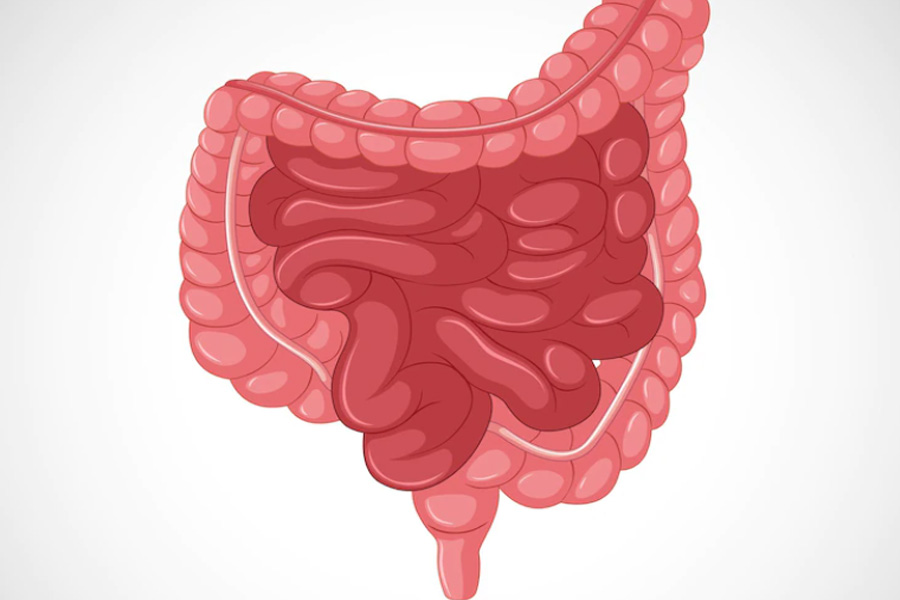
The 3 Foods to Avoid for a Healthier Gut

Gut bacteria—the trillions of microorganisms living in your digestive tract—may not be the sexiest subject, but it’s a hot topic in the health world lately. And for good reason: Over the past decade, research has brought to light how your gut microbiome (that’s what science types call it) plays a role in almost every aspect of health, including digestion, immunity, fat storage, and heart health.

Studies suggest a healthy gut may even help clear up skin conditions, such as eczema and acne, and may make you less susceptible to stress, anxiety, and depression—a finding that’s earned the microbiome the nickname “second brain.”

Like most things in life, it’s all about balance: You want the “good” bacteria (like lactobacillus) to outweigh the “bad” bacteria. If this balance is thrown off, it can lead to a compromised immune system, inflammation, more fat storage, and other adverse effects.

Unfortunately, it’s not as easy as simply letting the good bacteria flourish. There’s a lot out of your control that affects your microbiome—such as where you live, where you were raised, and personal lifestyle. But there is one major way to influence your gut health that’s 100-percent in your control: what you eat.

Certainly, there are foods you should be eating (think: yogurt and fermented foods like kimchi or sauerkraut) to boost gut health. But there’s another important piece of the puzzle: Cutting back on particular foods is also crucial to ensure a happy homeostasis for those microscopic bugs. Here are the top three.

1. Conventional Meats and Poultry

At some point, we’ve all taken a course of antibiotics, which are designed to do pretty much what it sounds like: kill bacteria. But antibiotics don’t discriminate—they go after good and bad bacteria alike. While you shouldn’t refuse the meds your doc prescribes, research shows consuming antibiotics when unnecessary can do serious damage to your gut flora.

If you’re eating meat from livestock that’s been treated with antibiotics, you may be exposed to extra antibiotics without realizing it, studies suggest. While the use of some antimicrobial drugs in livestock to treat diseases is approved by the FDAconcerns arise when they’re used to help animals gain weight or when drugs intended for human consumption are given to animals, which has been linked to antibiotic resistance in humans. These concerns have prompted some of the biggest poultry producers in the U.S., including Perdue and Tyson, to resolve to curtail antibiotic use in their chickens.

The best way to avoid antibiotic-raised meat? Buy organic, says Brooke Alpert, M.S., R.D., a Culturelle spokesperson. It’s pricier than the conventional kind, but you can make it easier on your wallet by going to a local butcher or farmer’s market, or buying in bulk and freezing leftovers for later, Alpert says. “Natural” can also be less pricey and still “antibiotic free,” but not always. Do a little digging, Alpert suggests: “If the labeling says specifically ‘no hormones’ and ‘no antibiotics,’ you’re in the clear.

2. Artificial Sweeteners

If you thought fake sugar was a miracle sent from heaven to make all things sweeter sans calories, think again, Alpert says. Research suggests that sucralose—the main ingredient in Splenda—can significantly alter the balance of bacteria in the microbiome. In one small study, after consuming artificial sweeteners for just one week, many of the participants began to develop glucose intolerance—the first step on a path to metabolic syndrome, diabetes, and a host of other health issues. “It’s scary that one food additive can have that big of an influence on your gut,” Alpert says.

And there are plenty of ways to sweeten things up without resorting to the fake stuff—here are 30 smart substitutes. Not that we’re not giving you the go-ahead to eat all the real sugar you want: Since bad bacteria feed off sugars, a diet high in real sugars has also been linked to an off-balance microbiome, so you’ll still want to cut back on any kind of sweet stuff, Alpert says.

3. Genetically Modified Soy

While fermented soy is good for you, it may be wise to cut back on soy products that have been genetically modified (GM)—and if you’re eating them in the U.S., they most likely have been, as 94 percent of soybeans in America are GM. GMO food is a point of contention in the national health conversation, but that’s another story altogether. The point here is that the herbicide used on GMO crops (a.k.a. Roundup) has been shown to kill off many species of beneficial gut bacteria in animals (but not enough evidence conclusively shows the same for humans). While research in this area is still ongoing, there aren’t many good reasons to choose to eat GM soy. It also contains phytic acid, which messes with digestion and has been linked to gastric issues, such as gas and bloating.

The Bottom Line

If you’ve been chowing down on conventional chicken, Splenda, and soy products on the reg, don’t freak out—it’s not the worst thing you can do for your health. But if you’ve been experiencing symptoms like wacky digestive issues (gas or bloating) or fatigue, these are signs that your gut isn’t as healthy as it could be, Alpert says. Get your bacteria back on track by cutting back on the above items, adding in beneficial foods for your gut, and taking a probiotic supplement.


Breast cancer prevention: How to reduce your risk

Breast cancer prevention starts with healthy habits — such as limiting alcohol and staying physically active. Understand what you can do to reduce your breast cancer risk.

If you’re concerned about breast cancer, you might be wondering if there are steps you can take toward breast cancer prevention. Some risk factors, such as family history, can’t be changed. However, there are lifestyle changes you can make to lower your risk.

What can I do to reduce my risk of breast cancer?

Lifestyle changes have been shown in studies to decrease breast cancer risk even in high-risk women. The following are steps you can take to lower your risk:

  • Limit alcohol. The more alcohol you drink, the greater your risk of developing breast cancer. The general recommendation — based on research on the effect of alcohol on breast cancer risk — is to limit yourself to less than 1 drink per day as even small amounts increase risk.
  • Don’t smoke. Accumulating evidence suggests a link between smoking and breast cancer risk, particularly in premenopausal women. In addition, not smoking is one of the best things you can do for your overall health.
  • Control your weight. Being overweight or obese increases the risk of breast cancer. This is especially true if obesity occurs later in life, particularly after menopause.
  • Be physically active. Physical activity can help you maintain a healthy weight, which, in turn, helps prevent breast cancer. For most healthy adults, the Department of Health and Human Services recommends at least 150 minutes a week of moderate aerobic activity or 75 minutes of vigorous aerobic activity weekly, plus strength training at least twice a week.
  • Breast-feed. Breast-feeding might play a role in breast cancer prevention. The longer you breast-feed, the greater the protective effect.
  • Limit dose and duration of hormone therapy. Combination hormone therapy for more than three to five years increases the risk of breast cancer. If you’re taking hormone therapy for menopausal symptoms, ask your doctor about other options. You might be able to manage your symptoms with nonhormonal therapies and medications. If you decide that the benefits of short-term hormone therapy outweigh the risks, use the lowest dose that works for you and continue to have your doctor monitor the length of time you are taking hormones.
  • Avoid exposure to radiation and environmental pollution. Medical-imaging methods, such as computerized tomography, use high doses of radiation. While more studies are needed, some research suggests a link between breast cancer and radiation exposure. Reduce your exposure by having such tests only when absolutely necessary.

Can a healthy diet prevent breast cancer?

Eating a healthy diet might decrease your risk of some types of cancer, as well as diabetes, heart disease and stroke. For example, women who eat a Mediterranean diet supplemented with extra-virgin olive oil and mixed nuts might have a reduced risk of breast cancer. The Mediterranean diet focuses on mostly on plant-based foods, such as fruits and vegetables, whole grains, legumes and nuts. People who follow the Mediterranean diet choose healthy fats, like olive oil, over butter and fish instead of red meat.

Maintaining a healthy weight also is a key factor in breast cancer prevention.

Is there a link between birth control pills and breast cancer?

There’s some evidence that hormonal contraception, which includes birth control pills and intrauterine devices (IUDs) that release hormones, increases the risk of breast cancer. But the risk is considered very small, and it decreases after you stop using hormonal contraceptives.

A recent study that indicated an association between hormonal contraceptive use and breast cancer determined one additional breast cancer could be expected for every 7,690 women who use hormonal contraception for at least one year.

Discuss your contraceptive options with your health care provider based on your particular needs. Also consider the benefits of hormonal contraception, such as controlling menstrual bleeding and reducing the risk of other cancers, including endometrial cancer and ovarian cancer.

What else can I do?

Be vigilant about breast cancer detection. If you notice any changes in your breasts, such as a new lump or skin changes, consult your doctor. Also, ask your doctor when to begin mammograms and other screenings based on your personal history.

Antenatal Profile

Antenatal profile: a group of laboratory tests done during pregnancy to ensure the well being of the mother and baby. These include:
1. Screening for anemia (hemoglobin test)
2. Screening for blood group incompatibility
3. Screening for infectious diseases which can be transmitted to the child (HIV, hepatitis B, syphilis)
4. Testing urine for “silent” urinary tract infection.
5. Blood sugar testing to screen for diabetes in pregnancy.
Should there be a problem in any one of them, appropriate action can be taken.
It is important that every expectant lady undergoes these tests. Visit us at Polo Centre or Baraka Plaza along Kenyatta Avenue, Nakuru to have the tests done or call 0711443673 for sample collection from the convenience of your office / home.

Annual wellness checkup

An annual wellness check up is a set of examinations done to establish ones state of health at a point in time while also alerting to any areas of concern before one becomes symptomatic. Annual wellness check up entails a series of physical, laboratory and radiological evaluation. Some of the tests in these evaluations include; blood pressure, BMI assessment, Diabetes check, Liver and kidney functions check, breast/prostate/cervical cancer screens. Any abnormal results will be communicated to the client and if any remedial action is to be taken, proper advice will be given on whom to see thereafter. Annual wellness check up is for everyone. At Scanlab we do have wellness packages that are categorized into four groups: Above 50years (Male and Female) and Below 50 years (Male and Female).


Always remember; the goal of wellness check up is for any abnormal results to be picked up before one can feel the symptoms e.g. if one has a breast lump, we want to see it on mammogram or ultrasound before one can actually physically feel it. At this point management is always easier.

Did you know

DID YOU KNOW?
Do you have the urge to eat soil or stones? Are you easily exhausted when doing tasks that others perform effortlessly? Do you frequently feel dizzy? The haemoglobin (Hb) test may be appropriate for you to evaluate for the presence or absence of anemia. Anemia refers to a low haemoglobin level.

Hemoglobin is a protein that carries oxygen from the lungs to tissues and carbon dioxide from tissues to the lungs. A lower than normal result indicates that you have anemia. The “normal range” differs by age and gender and the appropriate range is supplied on our reports with your results. The test can be performed as part of a complete blood count (CBC) to check your overall health or to diagnose a medical condition. If you have anemia, your attending medical practitioner may want to evaluate the haemoglobin test results along with those of other tests.